


The Department of Mechanical Engineering (DTM), Vocational School of Universitas Gadjah Mada, conducted an Advanced Hydraulic Systems Training program for vocational high school (SMK) teachers as part of its community service initiative. This program aims to strengthen teachers’ technical competence in response to rapid advancements in manufacturing and industrial automation technologies in the Industry 4.0 era.
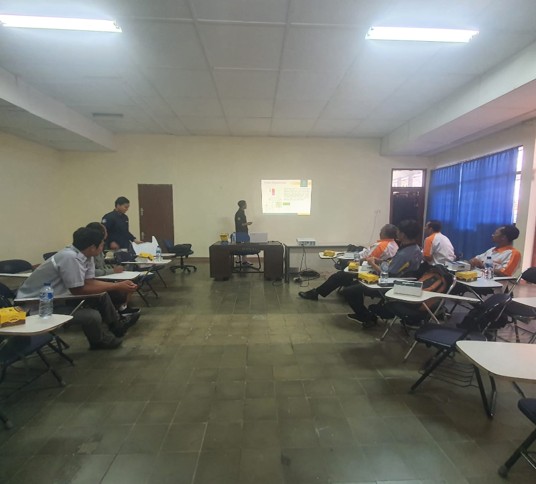
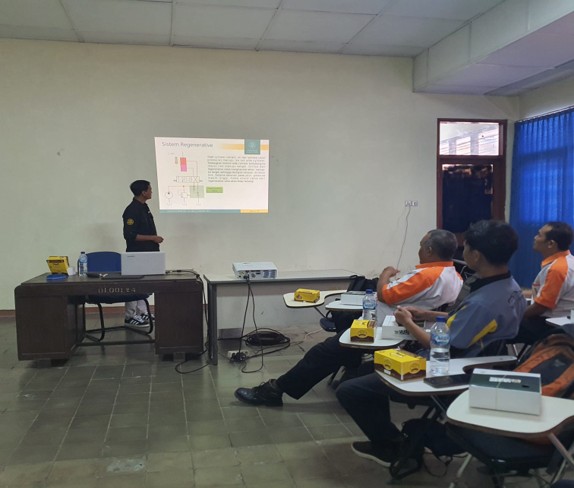
The training was delivered by DTM instructors and experts specializing in hydraulic systems and industrial automation. Held at the Department of Mechanical Engineering, the program was scheduled to align with competency development activities for partner vocational schools.
This initiative was motivated by the increasing industrial demand for skilled workers proficient in modern hydraulic technologies. As key facilitators in vocational education, SMK teachers must acquire up-to-date knowledge to deliver relevant and industry-aligned instruction. “Competent teachers produce competent graduates. Enhancing teachers’ skills is a vital investment in the future of vocational education,” stated one of the instructors.
Throughout the program, participants received comprehensive instruction on modern hydraulic theory, pressure control, energy management, and advanced troubleshooting techniques. The training also included hands-on practice in designing, assembling, and testing advanced hydraulic circuits, as well as operating modern devices such as proportional valves, servo valves, PLC-based hydraulic controls, and integrated digital sensors. Project-Based Learning was emphasized to foster innovation.
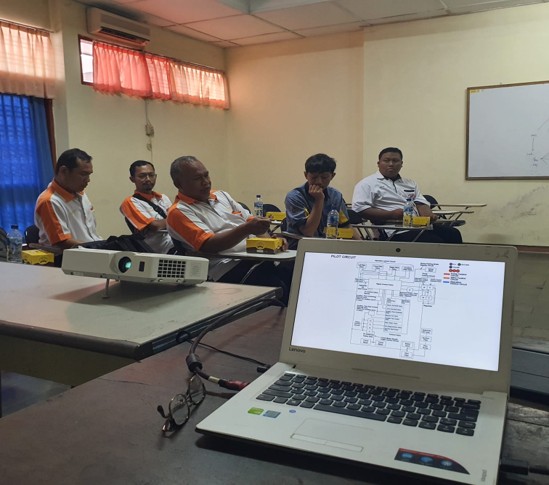
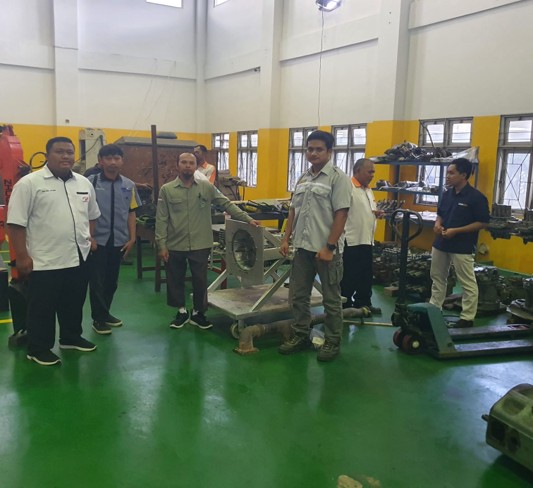
The program provided significant benefits for teachers and vocational schools, including enhanced teaching quality, improved curriculum relevance to industry standards, and stronger networking opportunities with industrial partners supporting internships and employment prospects for students.
This training also contributes positively to the industrial sector by strengthening the link and match between vocational education and the labor market, ensuring the availability of skilled personnel capable of supporting workplace productivity and safety.
In conclusion, this activity supports Sustainable Development Goal (SDG) 4: Quality Education and SDG 8: Decent Work and Economic Growth.